01 / Classic Textbook Recommendation
Classic Textbook Recommendation
Citation
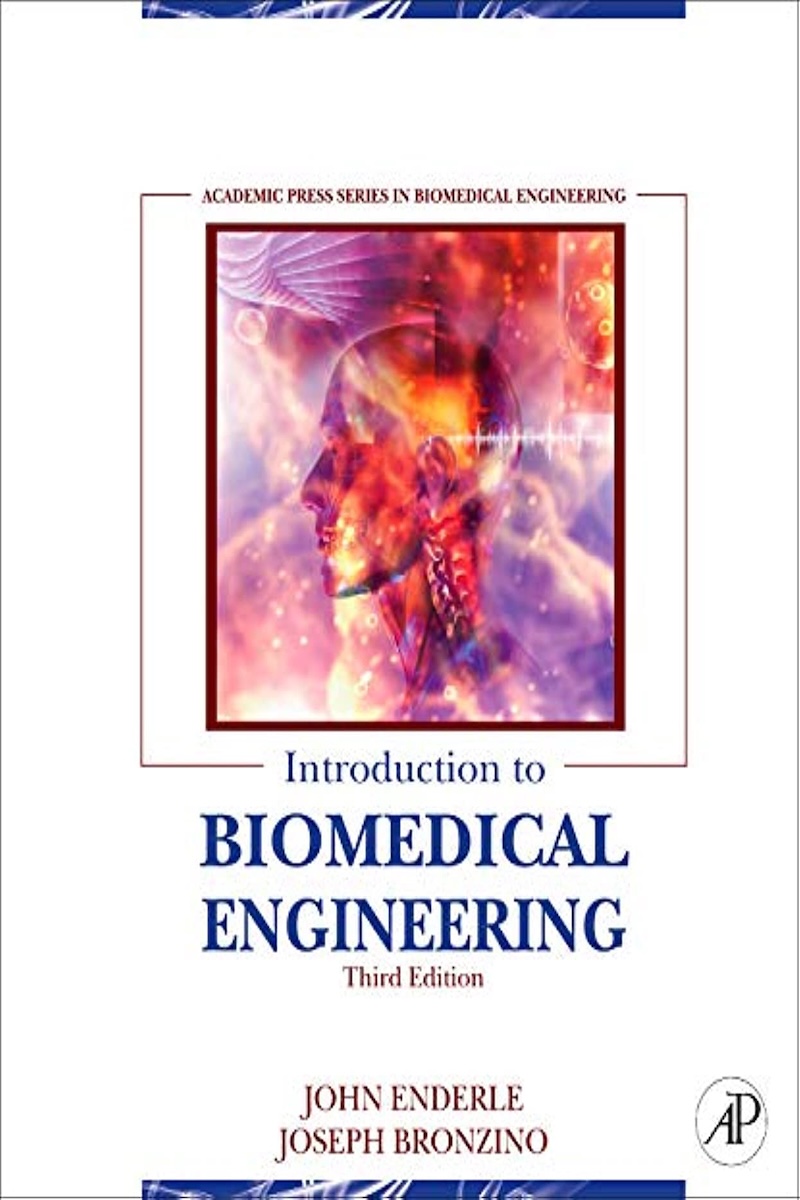
Enderle, J., Dunn, S., & Bronzino, J. (2024). Introduction to Biomedical Engineering (4th ed.). Academic Press.
Knowledge and Historical Background
Introduction to Biomedical Engineering by John Enderle, Stanley Dunn, and Joseph Bronzino has been the most widely adopted textbook across the biomedical engineering course spectrum for decades. Written by leading experts in the field, the book reflects the evolution of biomedical engineering from an emerging interdisciplinary field to an established engineering discipline.
The textbook emerged from the recognition that biomedical engineering requires integration of engineering principles with biological and medical sciences. It represents the synthesis of traditional engineering education with contemporary understanding of how engineering can solve medical and biological problems.
Teaching Philosophy
The textbook emphasizes that biomedical engineering applies engineering principles and design concepts to medicine and biology for healthcare purposes. It teaches students to integrate knowledge from multiple disciplines while developing both analytical skills and understanding of biological systems essential for medical technology development.
Core Concepts
Mathematical Modeling
Fundamental mathematical tools including differential equations, linear algebra, and computational methods essential for analyzing biological systems and medical devices.
Anatomy and Physiology
Essential biological knowledge including cardiovascular, respiratory, nervous, and musculoskeletal systems that forms the foundation for biomedical engineering applications.
Electrical Engineering and Instrumentation
Circuit analysis, signal processing, and medical instrumentation for measuring and monitoring physiological signals and developing medical devices.
Biomechanics
Application of mechanical engineering principles to biological systems, including analysis of forces, motion, and material properties in living tissues.
Biomaterials Science
Properties and applications of materials used in medical devices and implants, including biocompatibility, degradation, and interaction with biological systems.
Tissue Engineering
Principles of growing and developing biological tissues using engineering approaches, including scaffolds, cell culture, and regenerative medicine.
Medical Device Design
Engineering design process applied to medical devices, including needs assessment, conceptual design, testing, and regulatory considerations.
Bioinstrumentation
Design and application of instruments for measuring biological signals, including sensors, amplifiers, and data acquisition systems.
Medical Imaging
Principles of medical imaging technologies including X-ray, MRI, ultrasound, and CT scanning for diagnosis and treatment planning.
Medical Ethics and Regulations
Ethical considerations in biomedical engineering, including patient safety, informed consent, and regulatory requirements for medical devices.
Significance and Impact
Introduction to Biomedical Engineering has shaped biomedical engineering education by providing comprehensive coverage that bridges engineering and medical sciences. Its approach has influenced curriculum development in biomedical engineering programs worldwide.
The textbook's integration of fundamental principles with practical applications has helped establish biomedical engineering as a distinct engineering discipline while preparing students for careers in medical technology development.
Conclusion
Introduction to Biomedical Engineering provides essential foundation for understanding how engineering principles apply to medical and biological problems. Its comprehensive coverage prepares students for advanced study while developing the interdisciplinary thinking required for biomedical engineering careers.
The textbook's demonstration that engineering can significantly impact healthcare makes it invaluable for students pursuing biomedical engineering, showing how systematic application of engineering principles can lead to innovative solutions for medical challenges and improved patient outcomes.