01 / Classic Textbook Recommendation
Classic Textbook Recommendation
Citation
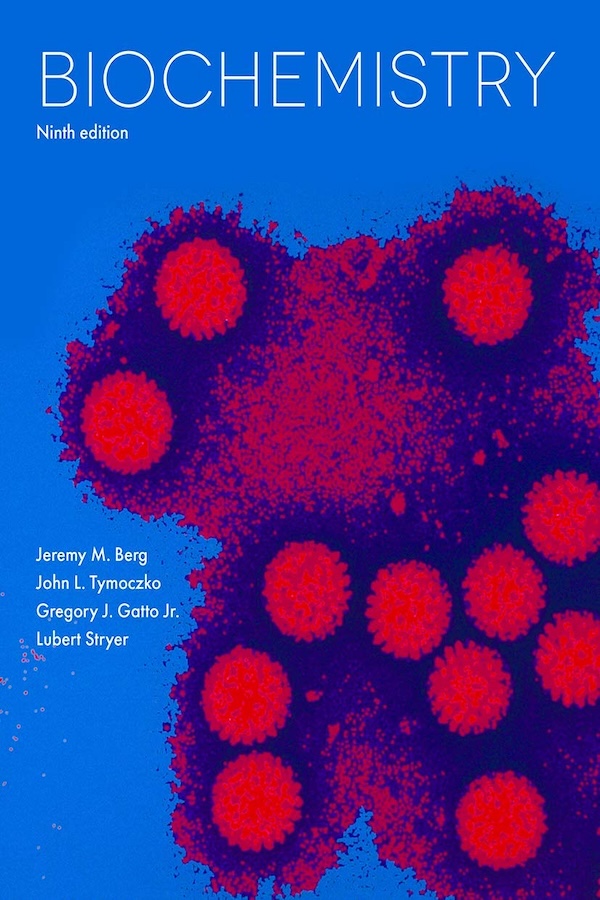
Berg, J. M., Tymoczko, J. L., Gatto, G. J., & Stryer, L. (2019). Biochemistry (9th ed.). W. H. Freeman and Company.
Knowledge and Historical Background
"Biochemistry" by Berg, Tymoczko, and Stryer has been a leading textbook in biochemistry education since the 1970s, originally authored by Lubert Stryer. The book was developed to bridge chemistry and biology, showing how chemical principles explain biological phenomena at the molecular level.
The text has evolved through multiple editions to incorporate advances in structural biology, genomics, proteomics, and systems biology. The collaborative efforts of Jeremy Berg, John Tymoczko, and Gregory Gatto have ensured that the book remains current with rapid developments in biochemical research and methodology.
Teaching Philosophy
The textbook emphasizes that biochemistry is fundamentally chemistry applied to biological systems. It focuses on structure-function relationships, showing how the three-dimensional structures of biomolecules determine their biological roles and how evolution has optimized molecular mechanisms.
Core Concepts
Protein Structure and Function
Hierarchical organization of protein structure, from primary sequence to quaternary structure, and how structure determines function in enzymes, structural proteins, and regulatory proteins.
Enzyme Catalysis and Kinetics
Mechanisms of enzyme action, enzyme kinetics, allosteric regulation, and the role of enzymes in metabolic control.
Carbohydrates and Lipids
Structure and function of carbohydrates and lipids, including their roles in energy storage, cell recognition, and membrane structure.
Nucleic Acids and Information Processing
Structure of DNA and RNA, replication, transcription, translation, and the regulation of gene expression.
Metabolic Pathways
Central metabolic pathways including glycolysis, citric acid cycle, oxidative phosphorylation, and the integration of carbohydrate, lipid, and amino acid metabolism.
Signal Transduction
Molecular mechanisms of cellular communication, including hormone action, neurotransmission, and intracellular signaling cascades.
Membrane Structure and Transport
Lipid bilayer structure, membrane proteins, and mechanisms of transport across biological membranes.
Molecular Evolution
How proteins and metabolic pathways have evolved, and the relationship between structure, function, and evolutionary history.
Significance and Impact
"Biochemistry" has shaped biochemistry education worldwide by demonstrating how chemical principles provide the foundation for understanding life processes. The textbook's emphasis on molecular mechanisms and structure-function relationships has influenced how biochemistry is taught and understood.
The book's integration of classical biochemistry with modern molecular biology and structural biology has made it valuable for students in chemistry, biology, medicine, and related fields. Its clear explanations and comprehensive coverage have made complex biochemical concepts accessible to undergraduate and graduate students.
Conclusion
This textbook remains a cornerstone of biochemistry education, successfully bridging chemistry and biology to provide a molecular understanding of life processes. Its comprehensive coverage and emphasis on chemical principles make it invaluable for students seeking to understand the molecular basis of biological phenomena.
The collaborative expertise of its authors ensures that both chemical and biological perspectives are represented, making the text valuable for diverse academic backgrounds. For students pursuing careers in biochemistry, medicine, or related fields, this book provides the conceptual framework and detailed knowledge necessary for advanced study and research in the molecular life sciences.