01 / Classic Textbook Recommendation
Classic Textbook Recommendation
Citation
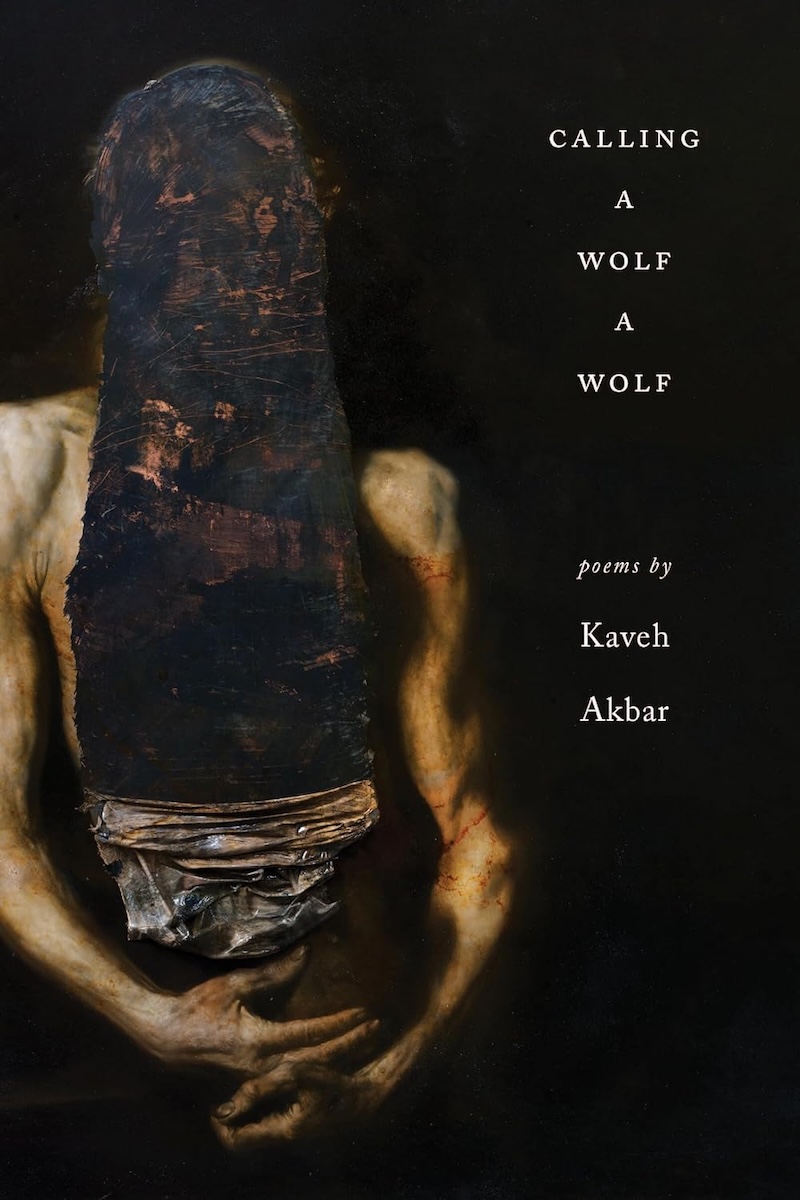
Akbar, K. (2017). Calling a Wolf a Wolf. Farmington, Maine: Alice James Books.
Intellectual & Historical Context
Calling a Wolf a Wolf by Kaveh Akbar was published in 2017 by Alice James Books. Kaveh Akbar is a notable poet whose work often delves into themes of addiction, identity, and recovery, framed through his experiences and cultural background.
Kaveh Akbar's poetry collection arrives in a contemporary literary landscape that increasingly values diverse voices and narratives, particularly those exploring personal struggles with addiction and recovery. Akbar's work is situated within a broader dialogue about the intersections of cultural identity and personal trauma, offering a perspective that blends his Iranian heritage with his experiences in America. His poetry is part of a movement that challenges traditional narratives around addiction, using poetry as a vehicle for both personal and collective healing and understanding.
Thesis Statement
In Calling a Wolf a Wolf, Akbar engages deeply with themes of addiction, spirituality, and redemption, crafting a narrative that explores his journey through recovery and the constant struggle against relapse. The collection serves as both a confession and a testament to the complexities of regaining and maintaining sobriety.
Key Concepts
1. Addiction and Recovery
The poems extensively detail the emotional and psychological battles associated with addiction, as well as the arduous path towards recovery.
2. Spiritual Seeking
Akbar weaves elements of spirituality throughout his work, examining how faith and a search for deeper meaning play roles in confronting and understanding addiction.
3. Cultural Identity
His work also reflects on how his Iranian heritage and identity intersect with his experiences in America, influencing his perspectives and poetic expression.
4. The Body as a Battleground
The physical and mental tolls of addiction are depicted as battles waged within the body, making the personal struggle a visceral, tangible experience for the reader.
5. Language and Expression
Akbar uses language not only to convey his personal journey but also to explore the limits of expression in capturing the full scope of addiction and recovery.
Chapter Summaries
Part I: Terminal
Wild Pear Tree
Opens with imagery of nature juxtaposed with personal pain, setting a tone of searching and introspection.
Do You Speak Persian?
Examines cultural identity and heritage, exploring the connection and disconnection from one's roots through language.
Yeki Bood Yeki Nabood
A phrase meaning "there was one, there was none" in Persian, reflects on stories and histories lost and remembered.
Portrait of the Alcoholic with Home Invader and Housefly
Investigates personal invasion and vulnerability within the space of addiction.
Recovery
Captures the hopeful yet arduous journey towards sobriety, marked by personal revelations and setbacks.
DrinkaWare Self-Report
A critique of self-monitoring and the struggles of acknowledging one’s own addictions.
Calling a Wolf a Wolf (Inpatient)
Focuses on self-realization and acceptance of the alcoholic identity as a step towards recovery.
Stop Me If You've Heard This One Before
Plays with the idea of repeated cycles and stories in the context of addiction.
Portrait of the Alcoholic with Withdrawal
Details the physical and psychological pains of withdrawal, exploring the body's rebellion against the mind.
Some Boys Aren’t Born They Bubble
Discusses the formation of identity in unconventional, gradual ways rather than definitive moments.
Heritage
Reflects on familial and cultural legacies that shape personal experiences and struggles.
Milk
Symbolizes nourishment and the basic, often overlooked, sustenance that supports life and recovery.
Portrait of the Alcoholic with Doubt and Kingfisher
Explores the dual themes of doubt and hope, using the kingfisher as a symbol of possible redemption.
Desunt Nonnulla
Latin for "some things are lacking," discussing gaps and absences in life and narrative.
Learning to Pray
Reflects on spiritual practices and their roles in coping with and understanding life’s challenges.
Portrait of the Alcoholic Three Weeks Sober
Marks a significant, though early, milestone in the recovery process, filled with both hope and fear.
Supplication with Rabbit Skull and Bouquet
Merges themes of death and beauty, suggesting the complex coexistence of loss and hope.
Exciting the Canvas
Discusses creativity and its power to transform and express inner turmoil.
A Boy Steps Into the Water
Symbolizes initiation and the start of a journey, possibly towards recovery.
Wake Me Up When It’s My Birthday
Conveys a sense of waiting for a moment of change or celebration, indicating a pause in life.
Part II: Hunger
What Seems Like Joy
Explores fleeting moments of happiness and their inherent transience within the context of addiction.
Best Shadows
Reflects on the darker aspects of oneself that are often hidden but are integral to identity.
Portrait of the Alcoholic with Moths and River
Uses natural imagery to discuss themes of transformation and decay.
Rimrock
Represents barriers, both literal and metaphorical, that one encounters and must overcome in life.
Prayer
Considers the role of prayer as a means of seeking help and making sense of one’s struggles.
Besides, Little Goat, You Can’t Just Go Asking for Mercy
Discusses the complexities of seeking forgiveness and the challenges of absolution.
Thirstiness Is Not Equal Division
Talks about the uneven distribution of desire and need, especially in the context of addiction.
Long Pig
A reference to human flesh eaten by cannibals, metaphorically explores self-consumption and destructiveness.
Being in This World Makes Me Feel Like a Time Traveler
Captures feelings of dislocation and the surreal experience of living with addiction.
Against Dying
A powerful rejection of giving in to the despair associated with addiction.
Portrait of the Alcoholic with Relapse Fantasy
Deals with the ever-present danger of relapse in the journey toward recovery.
Orchids are Sprouting From the Floorboards
Uses the imagery of orchids as a symbol of unexpected beauty and regeneration in dark places.
The New World
Reflects on the potential for renewal and change post-addiction.
Against Hell
Stands as a statement against inevitable damnation, advocating for choice and redemption.
Palmyra
Invokes historical and personal ruins, contemplating destruction and what remains.
Unburnable the Cold is Flooding Our Lives
Discusses the invasive, numbing cold of despair that addiction can bring.
Portrait of the Alcoholic Frozen in Block of Ice
Symbolizes the stasis and isolation of addiction.
Neither Now Nor Never
Ponders the uncertain, liminal spaces that define human experience.
Everything That Moves is Alive and a Threat—A Reminder
Emphasizes the heightened sense of paranoia and awareness in addiction.
What Use is Knowing Anything if No One is Around
Explores loneliness and the existential dread of isolation.
No is a Complete Sentence
Affirms boundaries and the importance of assertiveness in recovery.
Part III: Irons
Portrait of the Alcoholic Floating in Space with Severed Umbilicus
Imagines the ultimate disconnection and isolation of the addict.
An Apology
Acknowledges wrongs and seeks forgiveness, a crucial part of healing.
The Straw is Too Long, the Axe is Too Dull
Describes the inadequacy of tools we have to handle our deepest troubles.
My Kingdom for a Murmur of Fanfare
Expresses a desire for recognition or celebration, even for small victories.
Every Drunk Wants to Die Sober It’s How We Beat the Game
Summarizes the addict’s paradoxical relationship with life and death.
Tassiopeia
Likely reflects on constellations, suggesting navigation and guidance in recovery.
Portrait of the Alcoholic with Craving
Returns to the theme of ongoing struggle with desire and control.
Fugu
Refers to a delicacy that can be fatally poisonous, symbolizing the dangerous allure of addictive substances.
River of Milk
Connotes abundance and nurturing but also the potential for excess.
God
Possibly contemplates the role of a higher power in the context of addiction and recovery.
Despite Their Size Children are Easy to Remember They Watch You
Discusses the impact of one’s actions on younger generations and the legacy of behavior.
Ways to Harm a Thing
Explores self-destructive impulses and how they manifest.
Personal Inventory: Fearless (Temporis Fila)
Another inventory that delves into deeper fears and personal challenges.
So Often the Body Becomes a Distraction
Reflects on the physical aspects of addiction and their interference with emotional and psychological healing.
I Won’t Lie This Plague of Gratitude
Discusses the complex feelings that come with recovery, including unexpected gratitude.
Portrait of the Alcoholic Stranded Alone on a Desert Island
Symbolizes ultimate isolation and the internal resources one must summon to survive.
Key Quotes
It's not that I want to die, exactly. It's that every day I want a little less to live.
This poignant reflection captures the existential weariness and despair often associated with addiction, illustrating the nuanced feelings between wanting to live and not wanting to die.
I wouldn't even know what to do with a third chance, a fifth chance, a twenty-seventh chance.
This quote conveys the cyclical nature of addiction and recovery, highlighting the frustration and confusion that can accompany repeated attempts to overcome addiction.
What use is knowing anything if no one is around to hear it?
This explores themes of loneliness and the desire for connection and validation, emphasizing how isolation can exacerbate the struggles with addiction.
Significance & Impact
Calling a Wolf a Wolf has made a significant impact both within the literary community and beyond, particularly among readers grappling with issues of addiction, recovery, and identity. Akbar’s candid exploration of these themes through the lens of his personal experiences offers a raw and intimate look at the complexities of addiction and the challenging journey towards recovery.
The collection is notable for its lyrical intensity and emotional honesty, which resonate deeply with readers. Akbar’s use of vivid imagery and innovative poetic forms enhances the visceral impact of his themes, making the poems both accessible and profoundly moving.
Critical Reflections
Kaveh Akbar's work is important for its contribution to contemporary poetry and its handling of themes like addiction, spirituality, and identity with both sensitivity and complexity. His poems provide a voice to experiences that are often silenced or marginalized, offering solace and understanding to those who struggle with similar issues.
The book challenges readers to think about addiction in new ways—not just as a series of bad choices or moral failings, but as a complex interplay of desire, pain, and the human search for meaning. Akbar’s blending of personal narrative with broader existential questions invites readers to reflect on their own vulnerabilities and the universal human condition.
In conclusion, Calling a Wolf a Wolf is a powerful poetic testament to the struggles of addiction and the fragile, ongoing process of recovery. It stands as a significant work in modern poetry, offering insights that are both personal and universal, and encouraging a deeper empathy and understanding of the human struggles with self-destruction and redemption.