01 / Classic Textbook Recommendation
Classic Textbook Recommendation
Part 1. Citation, Context, Thesis & Key Concepts
Citation
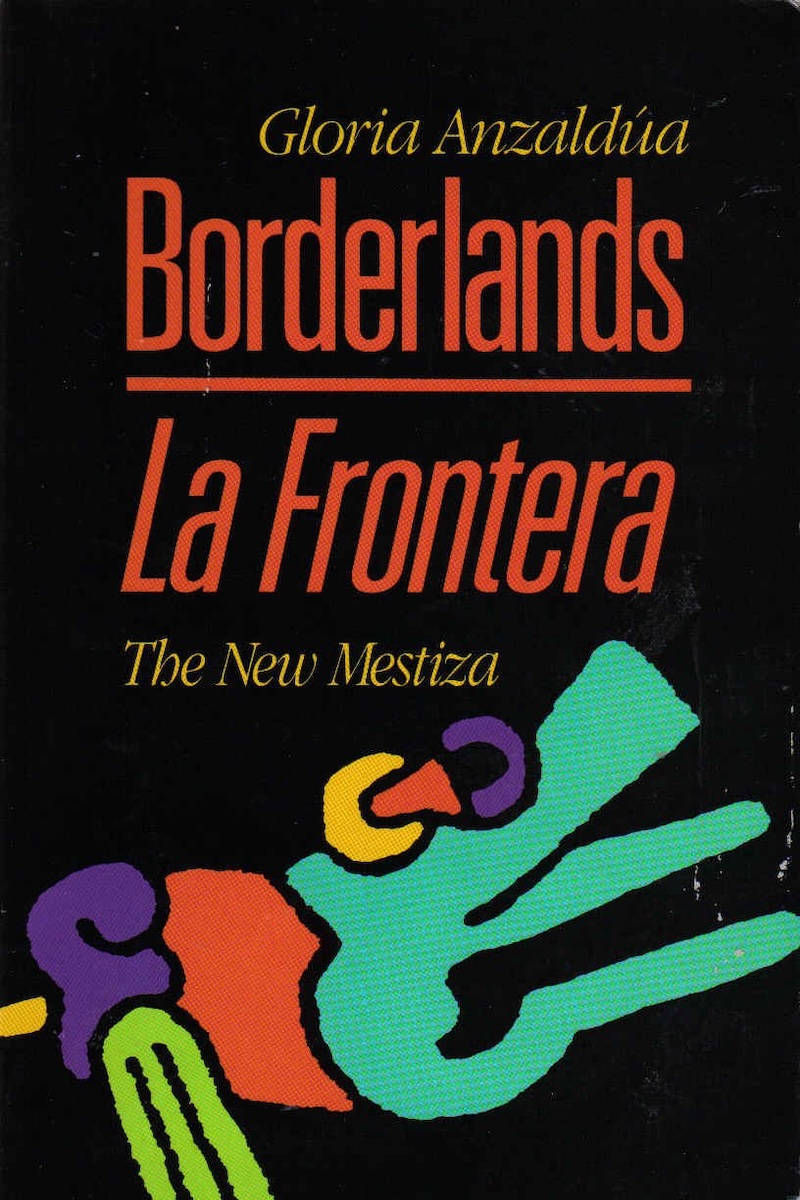
Anzaldúa, G. (2022). Borderlands/La Frontera: The New Mestiza (5th ed.). Aunt Lute Books. (Original work published 1987)
Author & Publication Information
- Author: Gloria Evangelina Anzaldúa (1942–2004), Chicana feminist, queer theorist, cultural critic.
- Publication: First published 1987; this is the 5th edition (2022).
- Publisher: Aunt Lute Books, feminist and multicultural press, San Francisco.
Intellectual & Historical Context
- Situated at the intersection of Chicana/o studies, feminist theory, queer theory, postcolonial studies.
- Written in the 1980s amid:
- U.S. anti-immigrant sentiment and Reagan-era nationalism.
- Rise of Ethnic Studies & Women’s Studies.
- Women of color feminism (Audre Lorde, Cherríe Moraga, bell hooks).
- Anticipated and influenced border studies, queer of color critique, and decolonial theory.
Thesis Statement
The borderlands—geographic, cultural, linguistic, sexual, and spiritual—generate a new mestiza consciousness: a hybrid epistemology that embraces ambiguity and contradiction, resists binary logics, and transforms oppression into creative resistance.
Key Concepts
- Borderlands: Literal and metaphorical “open wound” where cultures clash and hybridize.
- La conciencia de la mestiza (mestiza consciousness): Hybrid, pluralistic worldview.
- Nepantla: Nahuatl term for the liminal, in-between state of transformation.
- La facultad: Intuitive survival knowledge developed under oppression.
- The Coatlicue State: A psychic state of darkness/rupture that can lead to transformation.
- Language as identity: Chicano Spanish, Tex-Mex, code-switching as acts of resistance.
- Spiritual activism: Linking social justice and indigenous spirituality.
- Queer/Chicana feminism: Intersection of race, gender, sexuality, colonialism.
Part 2. Chapter Summaries
Preface to the First Edition
Defines borderlands in multiple registers (geographic, psychological, sexual, spiritual). Frames her writing style—code-switching between languages—as embodying hybridity.
1. The Homeland, Aztlán / El otro México
- Historical roots of Chicanos in the Southwest.
- Border as “open wound.”
- Mix of history, myth, corridos, and autobiography.
- Themes: colonization, dispossession, racism, deportation, migration.
2. Movimientos de rebeldía y las culturas que traicionan
- Personal and cultural rebellion against patriarchy.
- Concept of the Shadow-Beast as suppressed rebellion.
- Critique of Catholicism, heterosexism, and machismo.
- Lesbian identity as radical defiance.
3. Entering into the Serpent
- Reclamation of Aztec/Mesoamerican goddesses: Coatlicue, Tonantsi, Guadalupe.
- Serpent = embodiment, transformation, suppressed female power.
- Critique of colonial/patriarchal suppression of female deities.
4. La herencia de Coatlicue / The Coatlicue State
- Introduces Coatlicue State: psychic rupture/depression that can enable transformation.
- Painful but generative, pushing the self into reconfiguration.
5. How to Tame a Wild Tongue
- Language = identity.
- Denounces “linguistic terrorism” (punishing Chicanos for Spanish/Chicano Spanish).
- Asserts the legitimacy of code-switching and hybrid tongues.
- Refusal of assimilation through linguistic survival.
6. Tlilli, Tlapalli / The Path of the Red and Black Ink
- Writing and art as ritual acts of survival and transformation.
- “Red and black ink” (Nahuatl metaphor) = sacred/poetic knowledge.
- Introduces la facultad: heightened awareness born of oppression.
7. La conciencia de la mestiza / Towards a New Consciousness
- Core theoretical chapter.
- Articulates mestiza consciousness: embracing contradiction, ambiguity, hybridity.
- Envisions new cultural forms beyond binary categories.
Un Agitado Viento / Ehécatl, The Wind (Poetry cycle)
- Six-part poetic epilogue.
- Themes: exile, loss, migration, women’s suffering, spirituality, return.
- Poetic embodiment of mestiza consciousness.
Part 3. Key Quotes & Significance
Key Quotes
“The U.S.–Mexican border es una herida abierta where the Third World grates against the first and bleeds.”
- Defines the border as both geopolitical and psychic violence, a wound that produces hybrid culture.
“Wild tongues can’t be tamed, they can only be cut out.”
- Denounces linguistic repression; asserts survival of Chicano Spanish and code-switching as resistance.
“I am a turtle, wherever I go I carry ‘home’ on my back.”
- Expresses diasporic, portable identity grounded in lo mexicano yet adaptable across borders.
“I will have to stand and claim my space, making a new culture—una cultura mestiza—with my own lumber, my own bricks and mortar and my own feminist architecture.”
- Articulates mestiza consciousness as a constructive project beyond patriarchal and colonial paradigms.
“La mestiza constantly has to shift out of habitual formations; from convergent thinking, analytical reasoning that tends to use rationality to move toward a single goal (a Western mode), to divergent thinking, characterized by movement away from set patterns and goals and toward a more whole perspective.”
- Envisions mestiza consciousness as epistemological pluralism, destabilizing Western binaries.
Significance & Impact
- Chicana Feminism: Redefined feminist theory by centering racialized, queer, and working-class women.
- Queer Theory: Prefigured later theoretical articulations of queer hybridity, fluidity, and resistance to binary sexual logics.
- Border Studies: Established the borderlands as a theoretical construct for examining cultural hybridity, violence, and identity.
- Linguistic Politics: Groundbreaking defense of Chicano Spanish, code-switching, and hybrid languages as valid cultural practices.
- Decolonial Thought: Reclaimed suppressed indigenous epistemologies (Coatlicue, Nepantla, la facultad) as tools for resistance and transformation.
- Spiritual Activism: Modeled integration of activism, feminism, and spirituality, rejecting secular/colonial dichotomies.
Broader Implications
- The text has become canonical in Ethnic Studies, Gender Studies, and Cultural Theory, shaping curricula across disciplines.
- It continues to inform intersectional politics, offering frameworks for analyzing contemporary issues such as migration, queer identity, and decolonial activism.
- Anzaldúa’s mestiza consciousness is often cited as a precursor to transnational feminism and coalitional politics, emphasizing plurality, inclusivity, and creative survival.
- Her emphasis on ambiguity, liminality, and transformation provides a language for those inhabiting multiple, shifting identities in a globalized world.