01 / Classic Textbook Recommendation
Classic Textbook Recommendation
Part 1. Citation, Context, Thesis & Key Concepts
Citation
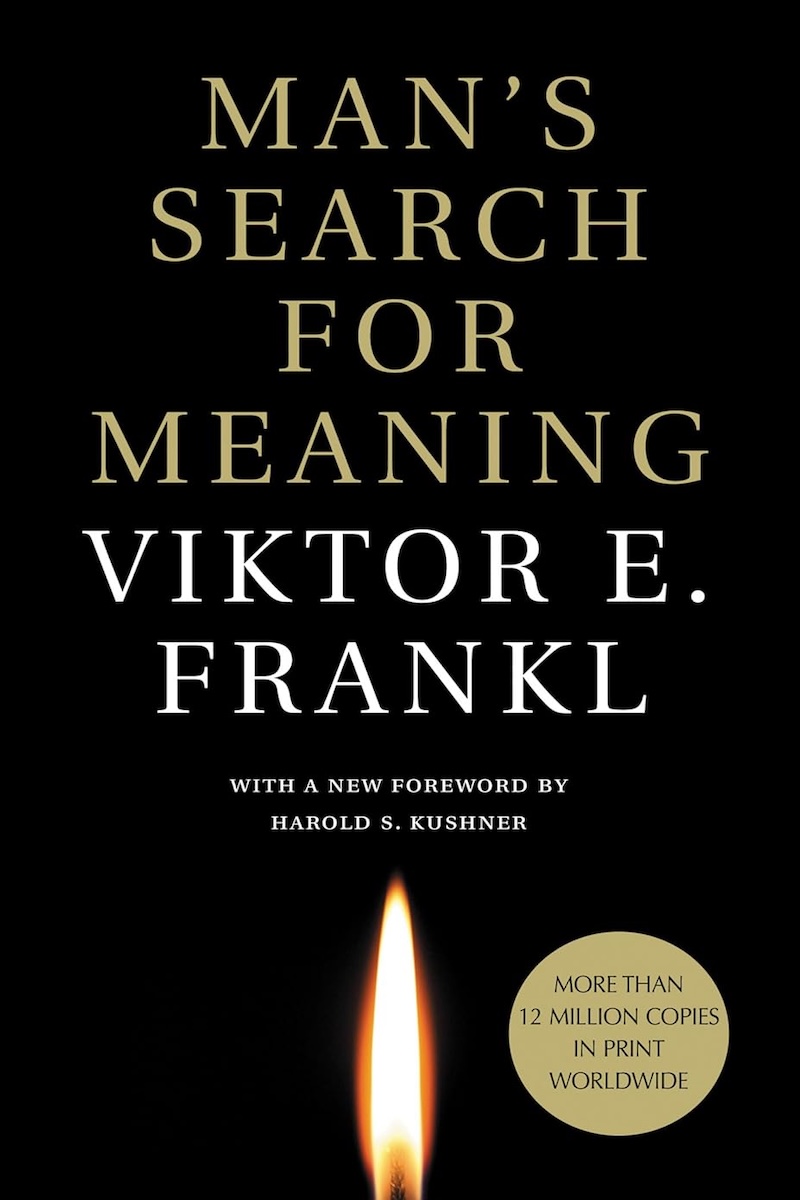
Frankl, V. E. (2013). Man’s search for meaning: The classic tribute to hope from the Holocaust. Ebury Publishing. (Original work published 1946)
Author & Publication Information
- Author: Viktor Emil Frankl (1905–1997), Austrian neurologist, psychiatrist, and Holocaust survivor. Founder of logotherapy, the “Third Viennese School of Psychotherapy” (after Freud’s psychoanalysis and Adler’s individual psychology).
- Publication: Originally published in German as …trotzdem Ja zum Leben sagen (1946). The English edition became a classic of existential psychology and Holocaust literature. This 2013 edition republishes the enduring text with Harold Kushner’s preface.
Intellectual & Historical Context
- Written shortly after liberation from Auschwitz and Dachau, Frankl’s text reflects both memoir and existential psychology.
- Context of postwar Europe: widespread trauma, disillusionment with rationalist progress, and the search for meaning amid catastrophe.
- Positioned against Freud’s pleasure principle and Adler’s will to power, Frankl emphasizes the will to meaning as the core human drive.
- The book embodies the intersection of phenomenological description (camp life) and clinical theorization (logotherapy).
Thesis Statement
Even under conditions of radical suffering and dehumanization, humans retain the ultimate freedom to choose their attitude toward circumstances. Life’s primary drive is the search for meaning, which can be found through creative work, love, or the courage to face unavoidable suffering.
Key Concepts
- Will to Meaning: Central motivational force surpassing pleasure or power.
- Existential Vacuum: Sense of emptiness or lack of meaning, leading to despair and neurosis.
- Logotherapy: Therapy focused on helping patients discover meaning in life.
- Tragic Optimism: Affirmation of life despite pain, guilt, and death.
- Freedom of Attitude: Inalienable freedom to choose one’s stance in any situation.
- Sources of Meaning:
- Creative values (work, achievement).
- Experiential values (love, encounters with beauty/truth).
- Attitudinal values (stance toward suffering).
Part 2. Chapter Summaries
Prefaces
- Harold Kushner’s Preface: Frames Frankl’s work as both psychiatric text and spiritual guide; highlights Nietzsche’s maxim: “He who has a why to live can bear almost any how.”
- 1992 Preface by Frankl: Reflects on the book’s unexpected global impact; emphasizes that its success reveals humanity’s burning need for meaning.
Part One: Experiences in a Concentration Camp
- Methodological Framing: Not a factual chronicle but a psychological account of ordinary prisoners’ inner lives.
- Phases of Camp Psychology:
- Admission shock: disorientation, suicidal thoughts, “delusion of reprieve.”
- Apathy: Emotional numbing, survival focus, blunting of disgust and pity.
- Depersonalization after liberation: Difficulty adjusting to freedom, “disillusionment.”
- Observations:
- Prisoners who retained meaning (love, work, future goals) endured longer.
- Small acts of kindness (sharing bread) demonstrated human dignity.
- Dehumanization produced moral collapse in some, but others resisted spiritually.
- Frankl’s Inner Anchors: Thoughts of his wife, envisioning postwar lectures, reconstructing his lost manuscript.
- Key Conclusion: The best of us did not return—survival often depended on luck, yet meaning could preserve inner freedom.
Part Two: Logotherapy in a Nutshell
- Logotherapy Defined: Focuses on meaning as primary motivation. Unlike Freud’s “will to pleasure” or Adler’s “will to power,” Frankl insists humans need purpose.
- Existential Vacuum: Modern crisis of nihilism produces boredom, addictions, aggression.
- Clinical Method:
- Dereflection: Redirecting attention from the self toward meaning.
- Paradoxical Intention: Using humor and exaggeration to confront fears.
- Socratic Dialogue: Guiding patients toward discovering meaning.
- Values as Sources of Meaning: Work/creation, love/relationship, and courageous suffering.
- Freedom & Responsibility: Emphasizes ethical responsibility in exercising freedom of choice.
Postscript 1984: The Case for a Tragic Optimism
- Tragic Triad: Pain, guilt, and death are inescapable.
- Tragic Optimism: The stance of saying “yes” to life despite suffering.
- Critique of Modern Hedonism: Avoidance of suffering leads to existential emptiness.
- Relevance: Advocates for responsibility, resilience, and purpose in an age of affluence yet despair.
Part 3. Key Quotes & Significance
Key Quotes
“He who has a Why to live for can bear almost any How.” (Nietzsche, repeatedly cited by Frankl)
- Core existential insight framing Frankl’s survival.
“Everything can be taken from a man but one thing: the last of the human freedoms—to choose one’s attitude in any given set of circumstances.”
- Central thesis of the book.
“Those who have a ‘why’ to live can bear with almost any ‘how,’ but those who lose faith in the future are doomed.”
- On the link between hope, meaning, and survival.
“Suffering ceases to be suffering at the moment it finds a meaning, such as the meaning of a sacrifice.”
- Articulates the therapeutic potential of reinterpreting suffering.
“What is to give light must endure burning.”
- Frankl’s poetic encapsulation of tragic optimism.
Significance & Impact
- Psychology & Psychotherapy: Established logotherapy as a recognized school of existential therapy.
- Holocaust Testimony: One of the most widely read survivor accounts, combining personal narrative with philosophical reflection.
- Philosophy of Meaning: Counter to nihilism; reinforces existentialist themes akin to Kierkegaard, Heidegger, Camus.
- Public Discourse: Popularized the idea that meaning—not happiness—is central to resilience.
- Clinical Relevance: Techniques like paradoxical intention remain in psychotherapeutic use.
- Spiritual Influence: Widely embraced across religious and secular audiences for its universal human message.
- Critiques: Some scholars question overgeneralization from extreme conditions; others note its existential humanism as both strength and limitation.
Broader Implications
- Resilience Studies: Anticipates modern research on post-traumatic growth.
- Ethics of Suffering: Challenges societies to integrate pain into meaningful life narratives.
- Global Reach: Over 16 million copies sold; foundational in both psychology curricula and inspirational literature.