01 / Classic Textbook Recommendation
Classic Textbook Recommendation
Part 1. Citation, Context, Thesis & Key Concepts
Citation
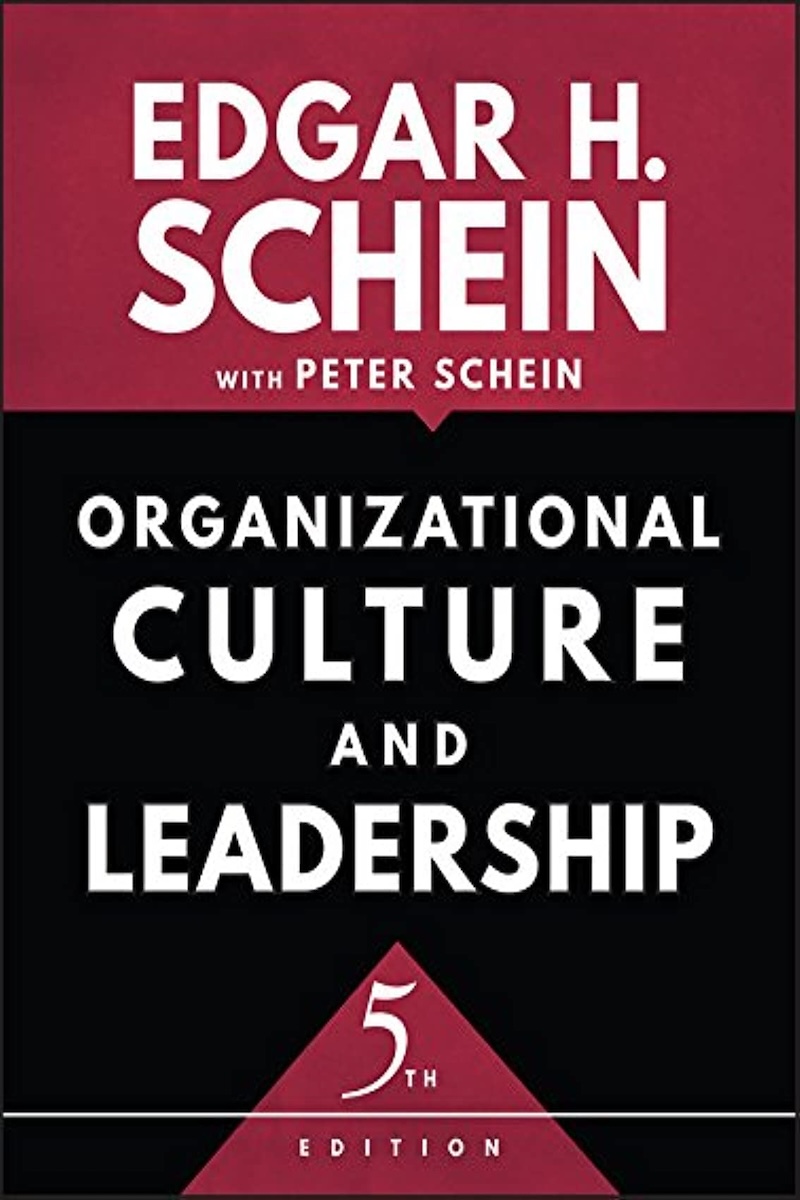
Schein, E. H. (2010). Organizational culture and leadership (4th ed.). Jossey-Bass.
Author & Publication Information
- Author: Edgar H. Schein (1928-2023), Professor Emeritus at MIT Sloan School of Management, widely recognized as the "father" of organizational culture and a pioneer in organizational psychology and development.
- Publication: Fourth edition published by Jossey-Bass in 2010, representing the culmination of Schein's lifelong work on organizational culture, building on earlier editions from 1985, 1992, and 2004.
Intellectual & Historical Context
- Written during the maturation of organizational culture as a central concept in management and organizational studies.
- Builds on anthropological concepts of culture applied to organizational settings, integrating insights from psychology, sociology, and management.
- Responds to the growing recognition that culture is a critical factor in organizational effectiveness, change, and leadership.
- Influenced by Schein's extensive consulting experience with organizations and his pioneering research on organizational psychology.
Thesis Statement
Schein argues that organizational culture is the most important and enduring aspect of organizations, created and embedded by leaders through their actions and decisions, and that understanding and managing culture is the ultimate task of leadership, especially during periods of organizational change and crisis.
Key Concepts
- Three Levels of Culture: Artifacts, espoused beliefs and values, and basic underlying assumptions that form the structure of organizational culture.
- Culture Formation: How leaders create culture through their responses to external adaptation and internal integration challenges.
- Culture Embedding Mechanisms: Primary and secondary mechanisms leaders use to embed cultural elements in organizations.
- Cultural Learning: How organizational members learn and internalize cultural assumptions through socialization processes.
- Culture and Leadership Lifecycle: How the relationship between culture and leadership evolves as organizations mature.
- Cultural Change: Processes and challenges involved in transforming organizational culture.
Part 2. Chapter Summaries
Part I: Conceptual Foundation
- Chs. 1-4: Theoretical foundations of organizational culture:
- Defining Culture: What organizational culture is and why it matters
- Three Levels of Culture: Artifacts, values, and basic assumptions
- Culture Formation: How cultures develop in response to survival challenges
- Culture Learning: Mechanisms through which culture is transmitted and internalized
Part II: Culture and Leadership
- Chs. 5-8: The relationship between leadership and culture:
- Leadership Role in Culture Creation: How founders and early leaders establish cultural foundations
- Embedding Culture: Primary mechanisms leaders use to create and reinforce culture
- Reinforcing Culture: Secondary mechanisms that support cultural transmission
- Leadership Development: How culture shapes leadership development and succession
Part III: Cultural Dynamics
- Chs. 9-12: How culture evolves and changes:
- Culture Evolution: Natural evolution of culture through organizational lifecycle
- Culture Assessment: Methods for analyzing and understanding organizational culture
- Subcultures: How different groups within organizations develop distinct cultural elements
- Cultural Integration: Managing cultural diversity within organizations
Part IV: Culture Change
- Chs. 13-16: Leading cultural transformation:
- Change Leadership: The role of leaders in cultural transformation
- Change Mechanisms: Strategies and processes for changing organizational culture
- Overcoming Resistance: Dealing with cultural resistance to change
- Sustaining Change: Embedding new cultural elements to ensure lasting transformation
Part V: Applications and Cases
- Chs. 17-20: Practical applications and case studies:
- Mergers and Acquisitions: Cultural challenges in organizational integration
- Cultural Learning: How organizations can become more effective at cultural adaptation
- Global Organizations: Managing culture across different national and regional contexts
- Future Challenges: Emerging issues in organizational culture and leadership
Part 3. Key Quotes & Significance
Key Quotes
- "Culture is the deeper level of basic assumptions and beliefs that are shared by members of an organization, that operate unconsciously, and define in a basic 'taken for granted' fashion an organization's view of its self and its environment."
- "The only thing of real importance that leaders do is to create and manage culture. If you do not manage culture, it manages you."
- "Leadership and culture are two sides of the same coin; neither can be understood by itself."
- "Culture is both a dynamic phenomenon that surrounds us at all times and a coercive structure that influences and constrains us."
- "The most intriguing aspect of culture as a concept is that it points us toward phenomena that are below the surface, that are powerful in their impact but invisible and to a considerable degree unconscious."
Significance & Impact
- Field Definition: Established organizational culture as a legitimate and central field of study in management and organizational behavior.
- Practical Framework: Provided practitioners with concrete tools for understanding and managing organizational culture.
- Academic Influence: Became the foundational text for organizational culture courses and research worldwide.
- Consulting Practice: Influenced generations of consultants and change agents in their approach to organizational development.
- Leadership Development: Shaped how leadership development programs address the cultural dimensions of leadership.
Broader Implications
- Demonstrates that culture is not just an organizational characteristic but a fundamental lens for understanding all organizational phenomena.
- Shows how leadership effectiveness depends critically on cultural awareness and cultural management skills.
- Provides frameworks for understanding why organizational change efforts fail and how to increase their success.
- Influences contemporary approaches to organizational design, change management, and leadership development.
- Contributes to understanding of how organizations adapt to environmental changes and maintain coherence over time.
- Shapes thinking about organizational identity, values, and the psychological contract between organizations and members.