01 / Classic Textbook Recommendation
Classic Textbook Recommendation
Part 1. Citation, Context, Thesis & Key Concepts
Citation
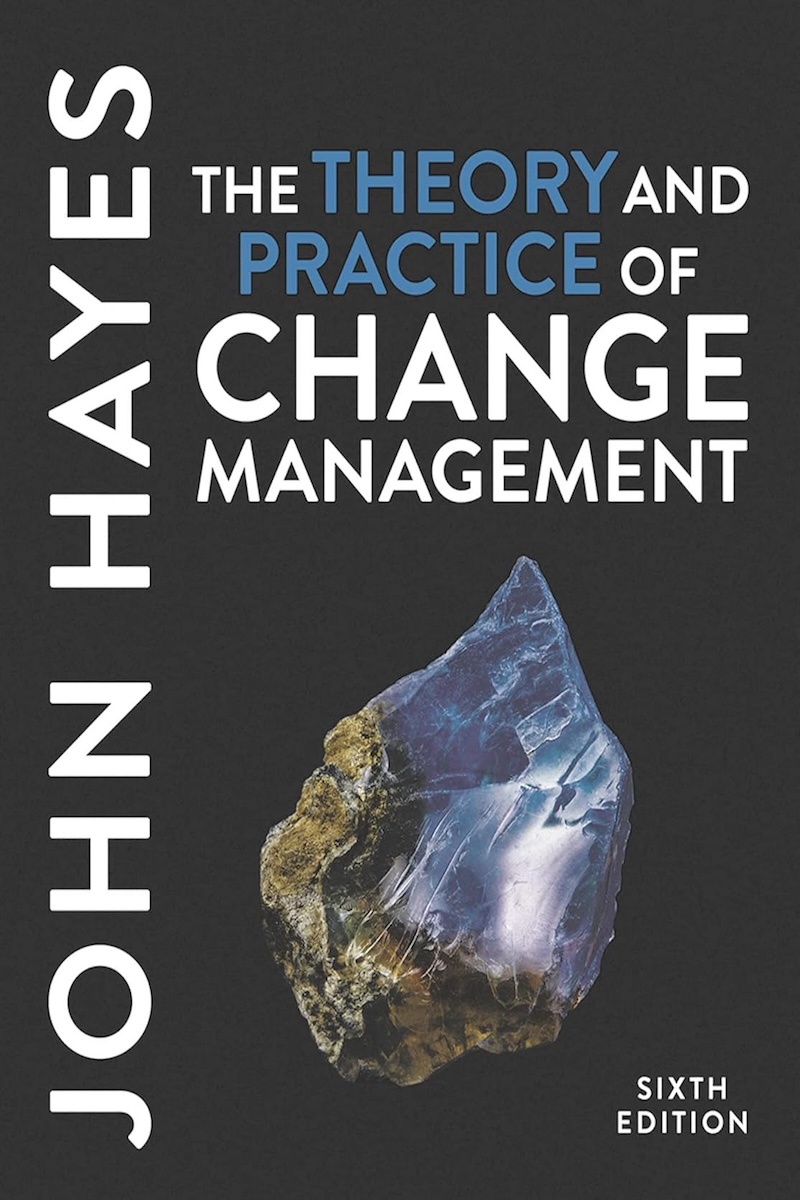
Hayes, J. (2018). The theory and practice of change management (5th ed.). Palgrave Macmillan.
Author & Publication Information
- Author: John Hayes, Professor of Organizational Behavior and Change Management, expert in organizational change, leadership development, and management education.
- Publication: Fifth edition published by Palgrave Macmillan in 2018, representing decades of research and practical experience in change management theory and practice.
Intellectual & Historical Context
- Written during an era of unprecedented organizational change driven by digital transformation, globalization, and evolving workplace dynamics.
- Integrates classical change management theory with contemporary research on organizational behavior, psychology, and management.
- Responds to the increasing complexity of organizational change in the 21st century and the need for more sophisticated approaches.
- Builds on extensive case study research and practical experience with organizational change initiatives across various industries.
Thesis Statement
Hayes argues that effective change management requires a deep understanding of both theoretical frameworks and practical implementation strategies, emphasizing that successful organizational transformation depends on integrating human psychology, organizational dynamics, and systematic change processes.
Key Concepts
- Change Management Models: Systematic approaches to planning, implementing, and sustaining organizational change.
- Change Readiness: Organizational and individual capacity for embracing and implementing change.
- Resistance to Change: Understanding and managing psychological and organizational barriers to transformation.
- Change Leadership: Leadership behaviors and strategies that facilitate successful change initiatives.
- Systems Thinking: Viewing organizations as complex systems where changes in one area affect the whole.
- Sustainable Change: Ensuring that change initiatives create lasting transformation rather than temporary adjustments.
Part 2. Chapter Summaries
Part I: Understanding Change
- Chs. 1-3: Foundations of change management:
- Nature of Change: Types of organizational change and their characteristics
- Change Context: Environmental factors that drive organizational change
- Theoretical Frameworks: Major theories and models of organizational change
Part II: Diagnosing Change
- Chs. 4-6: Analyzing change requirements:
- Organizational Diagnosis: Methods for assessing current state and change needs
- Stakeholder Analysis: Identifying and understanding key stakeholders in change processes
- Change Readiness: Assessing organizational capacity for change
Part III: Planning Change
- Chs. 7-9: Designing change initiatives:
- Change Strategy: Developing comprehensive strategies for organizational transformation
- Change Planning: Creating detailed implementation plans and timelines
- Resource Allocation: Managing resources and capabilities for change initiatives
Part IV: Implementing Change
- Chs. 10-12: Managing change implementation:
- Change Leadership: Leading people through organizational transformation
- Communication: Effective communication strategies for change initiatives
- Managing Resistance: Strategies for overcoming barriers to change
Part V: Sustaining Change
- Chs. 13-15: Ensuring lasting transformation:
- Change Evaluation: Measuring and assessing change effectiveness
- Embedding Change: Making change part of organizational culture and systems
- Continuous Improvement: Building organizational capacity for ongoing adaptation
Part 3. Key Quotes & Significance
Key Quotes
- "Change is not just about implementing new processes or structures; it's about transforming the way people think, feel, and behave."
- "The most successful change initiatives are those that combine rigorous planning with flexible implementation."
- "Resistance to change is not always a problem to be overcome; it can be valuable feedback about potential issues with the change initiative."
- "Change leadership is less about having all the answers and more about asking the right questions and engaging others in finding solutions."
- "Sustainable change requires not just changing what people do, but changing how they think about what they do."
Significance & Impact
- Comprehensive Framework: Provided one of the most complete integrations of change management theory and practice available.
- Educational Standard: Became a standard textbook in change management courses and MBA programs worldwide.
- Practitioner Guide: Widely used by consultants, managers, and change agents as a practical reference for change initiatives.
- Research Integration: Successfully integrated diverse research streams into a coherent framework for understanding and managing change.
- Professional Development: Influenced training and development programs for change management professionals.
Broader Implications
- Demonstrates the complexity of organizational change and the need for sophisticated approaches to managing transformation.
- Shows how psychological and organizational factors interact to influence change success or failure.
- Provides frameworks for understanding change as both a technical and human challenge.
- Highlights the importance of leadership, communication, and stakeholder engagement in change processes.
- Contributes to understanding of how organizations can build change capability and resilience.
- Influences contemporary approaches to digital transformation, cultural change, and organizational development.