01 / Reading Guide
Reading Guide
Who this book is for
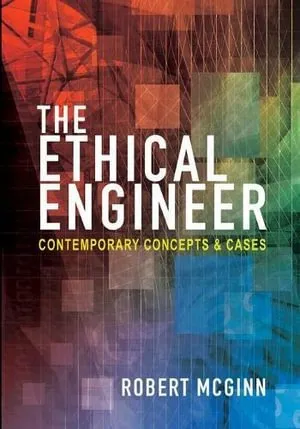
For engineering and technology students beginning professional ethics or reflecting on design responsibilities. The book gives a framework for discussing why a technically successful product can still raise ethical problems. Its focus on public consequences makes it useful for connecting individual professional choices with organizational pressures, stakeholder relationships and the wider systems in which a technology operates.
Prerequisites
No previous philosophy course is required. Experience with an engineering or technology project is helpful; be ready to read arguments, identify assumptions and explain competing interpretations of a case.
What it covers
Foundational chapters introduce ethics, professions, responsibility, technology in society and value-sensitive design. Welfare, autonomy and fairness provide a recurring structure for evaluating design choices. Later discussions consider environmental responsibility and emerging technologies, linking broad principles with concrete questions about how people experience technical systems.
How to use it
Choose a case and list affected groups before deciding who has the strongest claim. Distinguish a factual uncertainty from a disagreement about values, then formulate alternative actions that could address the problem. Apply each principle separately and explain where their recommendations differ. Write a short argument with reasons, objections and a revised conclusion. For a design project, translate an ethical concern into a requirement or a question that a prototype or consultation could investigate.
Edition and sources
The Cleveland State publisher page identifies the complete May 2021 book, ebook ISBN 9781936323883, and CC BY-NC 4.0 terms. Its current contents should be read directly rather than inferred from an older catalogue outline. Legal and professional examples supply context, not a substitute for current jurisdiction-specific rules.