01 / Classic Textbook Recommendation
Classic Textbook Recommendation
Citation
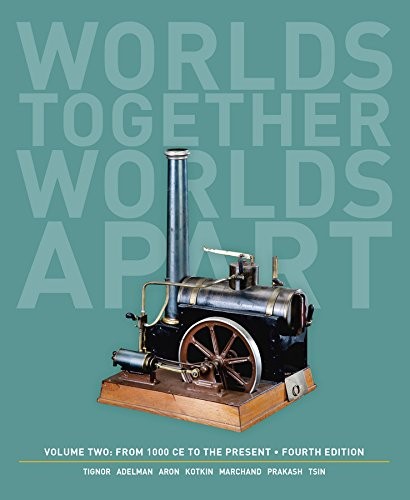
Tignor, R. et al. (2013). Worlds Together, Worlds Apart: A History of the World, Volume 2 (4th ed.). W. W. Norton & Company.
Why It Matters
World history is not simply the story of one region enlarged to include others. This survey places societies in comparison and follows the movement of people, goods, beliefs, technologies, diseases, and political institutions across regions.
Core Ideas
Comparison Without Flattening
Comparing regions can reveal different responses to similar pressures, but comparison should not erase local institutions or historical agency.
Connections and Consequences
Trade, conquest, migration, and religious exchange created connections that also carried conflict, disease, coercion, and inequality. Global integration has never been neutral.
Change Across Scales
The book moves between households, cities, states, and long-distance networks. Each scale reveals different causes and consequences of historical change.
Periodization as a Choice
Dividing history into periods helps organize evidence, but it also reflects an argument about what counts as a turning point. Readers should test the proposed chronology rather than treat it as natural.
Reading Lens
For each chapter, map the actors and routes that connect regions. Then ask whose perspective is centered, which sources make the argument possible, and what is lost when a global process is described too broadly.
Conclusion
Worlds Together, Worlds Apart is a useful foundation for connected and comparative history. It teaches readers to hold two ideas together: societies are deeply connected, and those connections do not erase difference or unequal power.