01 / Classic Textbook Recommendation
Classic Textbook Recommendation
Citation
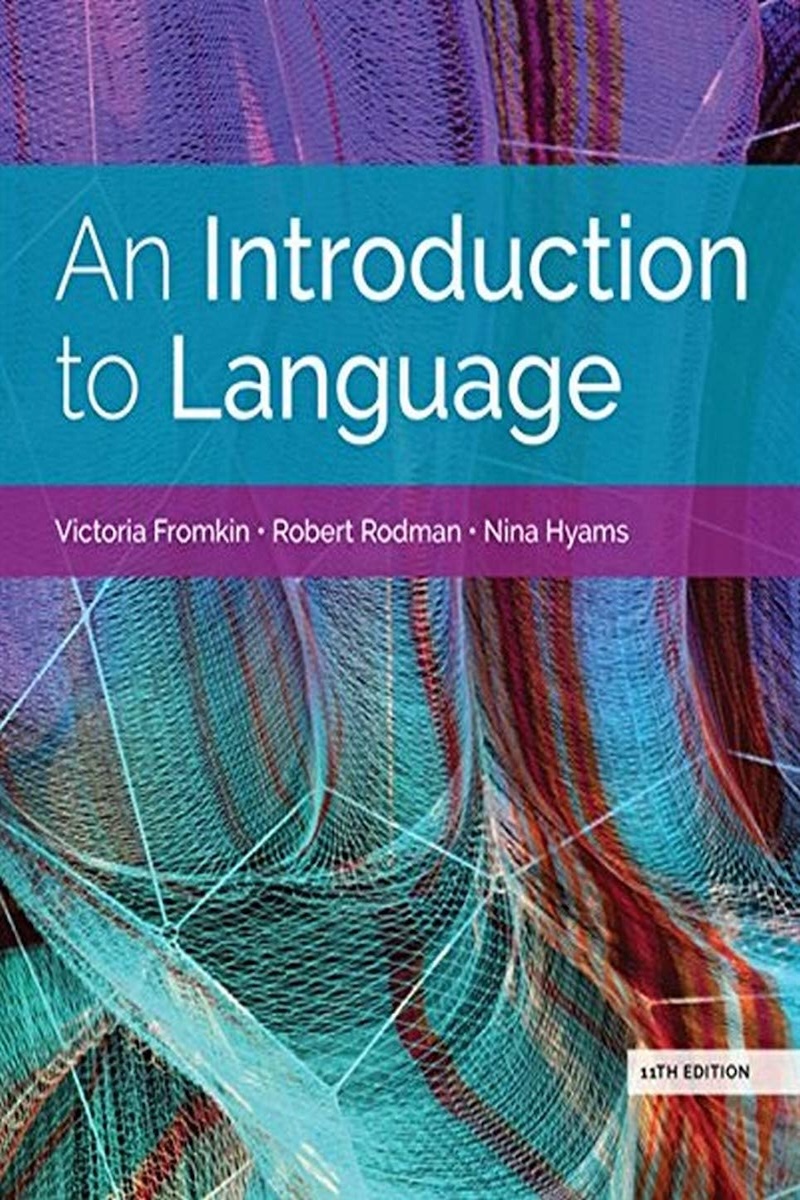
Fromkin, V., Rodman, R., & Hyams, N. (2024). An Introduction to Language (12th ed.). Cengage Learning.
Knowledge and Historical Background
"An Introduction to Language" has been a foundational text in linguistics education for over four decades, first published by Victoria Fromkin in the 1970s. The textbook emerged from Fromkin's pioneering work in neurolinguistics and language acquisition, reflecting the growing recognition that linguistics needed accessible introductory materials for undergraduate students.
This textbook represents the democratization of linguistic knowledge, making complex theoretical concepts accessible to students without prior background in the field. It has shaped how introductory linguistics is taught worldwide, emphasizing both the scientific study of language and its practical applications in education, psychology, and communication.
Teaching Philosophy
The textbook emphasizes that language is the fundamental human capacity that distinguishes us from other species. It teaches students to approach language scientifically while appreciating its complexity and beauty, encouraging analytical thinking about everyday language phenomena that most people take for granted.
Core Concepts
The Nature of Human Language
Language universals, design features of language, and what makes human language unique compared to animal communication systems.
Phonetics and Phonology
Speech sounds, articulatory and acoustic phonetics, phonological rules, and sound patterns across languages.
Morphology
Word structure, morphemes, word formation processes, and morphological variation across languages.
Syntax
Sentence structure, phrase structure rules, transformational grammar, and syntactic variation.
Semantics
Meaning in language, lexical semantics, compositional semantics, and semantic relationships.
Pragmatics
Language in context, speech acts, conversational implicature, and the relationship between meaning and use.
Language Acquisition
First language acquisition in children, second language learning, and the biological basis of language development.
Language and Society
Sociolinguistics, language variation, multilingualism, and language change over time.
Significance and Impact
"An Introduction to Language" has influenced linguistics education by providing a balanced overview of all major areas of linguistic study while maintaining accessibility for beginners. Its approach to presenting complex theoretical concepts through everyday examples has shaped pedagogical approaches in linguistics classrooms worldwide.
The textbook's integration of theoretical linguistics with practical applications has helped students understand the relevance of linguistic study to fields such as education, psychology, computer science, and anthropology.
Conclusion
"An Introduction to Language" provides essential knowledge for understanding language as a systematic, rule-governed phenomenon. Its comprehensive coverage and approachable style prepare students for advanced study in linguistics and related fields.
The textbook's emphasis on critical thinking about language and its integration of multiple linguistic perspectives make it invaluable for students seeking to understand how language works and why it matters to human society.