01 / Classic Textbook Recommendation
Classic Textbook Recommendation
Citation
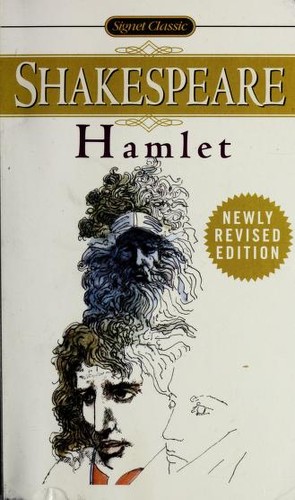
Shakespeare, W. (1998). Hamlet. Signet Classics.
Why It Matters
The literature list has ancient epics, anthologies, theory, and modern fiction, but no Shakespeare play. Hamlet is a compact entry into drama, rhetoric, performance, political order, and the instability of interpretation.
Core Ideas
Thought and Action
Hamlet’s intelligence does not make action simple. Soliloquies turn hesitation into a form of inquiry, while the play keeps asking whether thought clarifies action or postpones it.
Performance and Truth
Players, disguises, rehearsals, and staged scenes make performance a way of testing reality. The theater within the theater also exposes how every public identity depends on an audience.
Grief and Memory
The ghost, the skull, and the repeated return to the dead make memory an active force. Mourning becomes entangled with justice, inheritance, and the desire to preserve a lost order.
Political Legitimacy
The private crisis is also a crisis of the state. Surveillance, succession, diplomacy, and violence show how personal uncertainty travels through institutions.
Reading Lens
Read one soliloquy aloud, then compare what the language says with what the scene makes other characters believe. Track who controls information and who is performing for whom.
Conclusion
Hamlet remains a foundational work because it makes interpretation part of the drama itself. It teaches close reading while keeping language, embodiment, power, and performance in the same frame.