01 / Classic Textbook Recommendation
Classic Textbook Recommendation
Citation
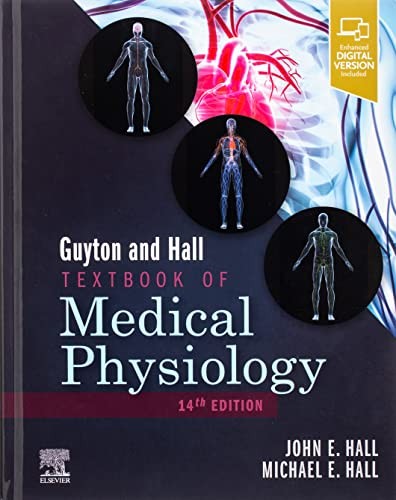
Hall, J. E., & Guyton, A. C. (2020). Guyton and Hall Textbook of Medical Physiology (14th ed.). Elsevier.
Why It Matters
The medicine collection now includes pathology, anatomy, histology, embryology, and pharmacology, but a central physiology text is necessary for understanding how normal function becomes the baseline against which disease is recognized.
Core Ideas
Homeostasis
The body maintains variables such as pressure, temperature, glucose, and pH within workable ranges. Physiology explains the feedback loops, constraints, and trade-offs that make stability possible.
Flow and Transport
Blood, air, solutes, and electrical signals move through organized systems. Gradients, resistance, compliance, and exchange connect microscopic processes to whole-body function.
Organ Systems as Networks
The heart, lungs, kidneys, endocrine organs, and nervous system are not isolated chapters. Their coordination explains why a disturbance in one system changes the demands placed on the others.
From Mechanism to Clinical Sign
A symptom or laboratory result becomes intelligible when it is tied to a disrupted physiological mechanism. The book trains readers to move from observation to explanation.
Reading Lens
For each system, draw the controlled variable, sensors, integrators, effectors, and failure points. Then ask how the same circuit behaves during exercise, stress, or disease.
Conclusion
Guyton and Hall is a core medical science reference. It gives students a coherent picture of the living human body before they specialize in pathology, diagnosis, or treatment.