01 / Classic Textbook Recommendation
Classic Textbook Recommendation
Citation
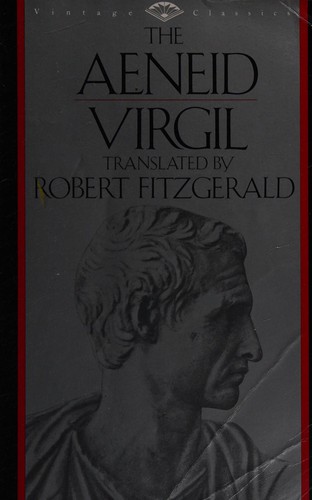
Virgil. (1990). The Aeneid (R. Fitzgerald, Trans.). Vintage.
Why It Matters
Virgil’s epic follows Aeneas from the destruction of Troy toward the founding of a new people in Italy. Its central movement is political, but the poem remains deeply concerned with grief, desire, memory, and the human cost of historical destiny.
Core Ideas
Exile and Belonging
Aeneas is defined by movement. Home is lost, remembered, and rebuilt, so the poem treats belonging as a difficult process rather than a simple inheritance.
Duty and Desire
The idea of duty gives the poem its public direction, while personal attachments repeatedly interrupt that direction. The tension makes its heroes morally complicated rather than purely exemplary.
Myth and Political Memory
The epic links legendary origins to Roman identity. It shows how stories of the past can authorize institutions while also exposing the violence and exclusions beneath them.
The Cost of Empire
Triumph does not erase mourning. Victories are accompanied by dispossession, broken relationships, and unresolved questions about whose suffering is accepted as the price of order.
Reading Lens
Pay attention to changes in scale, from a single character’s grief to the fate of a people. Fitzgerald’s translation is also part of the reading: compare how rhythm, image, and tone carry the poem into modern English.
Conclusion
The Aeneid endures because it refuses to make political founding emotionally simple. It is simultaneously an epic of origins, a meditation on obligation, and a sustained critique of the human costs hidden inside heroic narratives.