01 / Classic Textbook Recommendation
Classic Textbook Recommendation
Citation
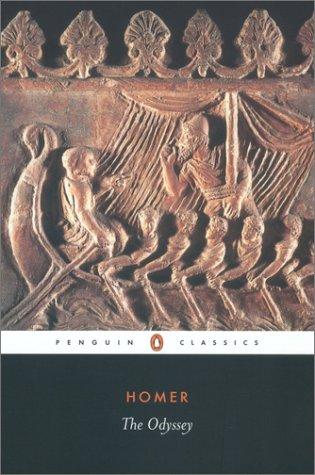
Homer. (2003). The Odyssey (E. V. Rieu, Trans.). Penguin Classics.
Why It Matters
The Odyssey is one of the central texts of the Western literary tradition, but its enduring power is not limited to heroic adventure. It asks how a person returns to a changed home, how stories create identity, and how hospitality separates civilization from brutality.
Core Ideas
Homecoming and Recognition
Odysseus must return physically and socially. The poem turns recognition into a test of memory, loyalty, disguise, and the ability to read signs.
Storytelling as Survival
Odysseus repeatedly uses narrative to persuade, conceal, and reconstruct himself. The epic therefore treats storytelling as an action with ethical and political consequences.
Hospitality and Violence
Meals, gifts, shelter, and rules of welcome organize the poem's moral world. Their absence reveals how quickly travel can become exploitation or predation.
Human and Divine Agency
The gods shape the journey, but the poem still gives characters responsibility for judgment, restraint, and cruelty. Fate never removes the need to choose.
Reading Lens
Read the episodes of the Cyclops, Circe, the underworld, and the recognition scene as variations on one question: what must be remembered or performed before a stranger can become a member of a home again?
Conclusion
The Odyssey remains a masterclass in narrative structure and moral ambiguity. Its journey from war to home is also a journey through language, memory, and the fragile conditions of belonging.