01 / Classic Textbook Recommendation
Classic Textbook Recommendation
Citation
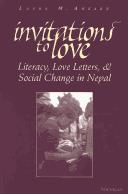
Ahearn, L. M. (2001). Invitations to Love: Literacy, Love Letters, and Social Change in Nepal. University of Michigan Press.
Why It Matters
Ahearn treats love letters as social action rather than private expressions alone. The book shows how new forms of writing can alter relationships, expectations, and ideas about personhood while remaining embedded in local institutions and histories.
Core Ideas
Literacy as Social Practice
Reading and writing are not neutral skills. Who can write, for whom, in which language, and with what consequences are anthropological questions.
Love and Kinship
Romantic language interacts with family obligations, marriage arrangements, gender expectations, and ideas about adulthood. Personal feeling is therefore shaped by social worlds.
Media and Change
Letters create new possibilities for communication, but they do not simply replace older practices. New media are interpreted through existing relationships and moral frameworks.
Ethnographic Scale
The book moves from individual correspondence to wider changes in education, migration, gender, and rural life. This makes the intimate a route into social analysis.
Reading Lens
Notice how Ahearn connects words on a page to institutions and material conditions. Ask what can be learned from a letter, what remains hidden, and how the researcher avoids treating one voice as a whole culture.
Conclusion
Invitations to Love is a compelling example of linguistic and cultural anthropology. It shows that communication technologies become socially powerful through the relationships in which people use them.