01 / Classic Textbook Recommendation
Classic Textbook Recommendation
Citation
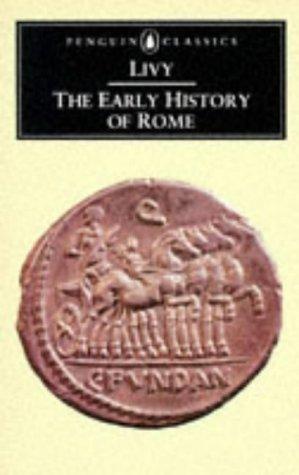
Livy. (1960). The Early History of Rome (A. de Sélincourt, Trans.). Penguin Classics.
Why It Matters
Livy writes history as a story about the moral and political formation of a people. The early books move between myth, remembered custom, and institutional change, making the text a rich object for both literary and historical reading.
Core Ideas
Myth and History
Stories of Romulus, Lucretia, and the early kings do not function only as factual reports. They explain how Romans imagined origins, virtue, betrayal, and the legitimacy of institutions.
Exemplary Narrative
Livy repeatedly presents actions as examples to imitate or avoid. Character, speech, and consequence work together to make history a form of civic education.
Institutions and Conflict
The formation of the republic is shaped by struggles over authority, status, debt, military service, and law. Political order emerges through conflict rather than appearing fully formed.
Narrative Authority
Livy acknowledges the difficulty of writing about a distant past while still giving it coherent meaning. Translation adds another layer through which voice, pace, and judgment are reconstructed.
Reading Lens
Separate the event being narrated from the lesson the narrator draws from it. Compare public speeches, family stories, and institutional descriptions to see how the text builds Roman identity.
Conclusion
The Early History of Rome is both a record of imagined origins and a work of literary construction. It shows how societies use stories about the past to teach political values and argue about the present.